GET IN TOUCH
 CALL
Key Takeaways:
- Shared Ownership lets you buy a share of a home and pay rent on the share you don't own, so your deposit and mortgage are based on the share rather than the full price.
- Monthly costs can work out lower than renting a comparable home, but this depends on the share you buy, the rent on the remaining share, the service charge and your mortgage rate.
- Staircasing lets you buy more shares over time, which lowers the rent you pay on the part you don't own.
- Renting offers more flexibility and lower upfront costs, but no ownership and less long-term security.
Shared Ownership tends to suit people who want to start building equity with a smaller deposit and expect to stay in their home for a few years, while renting suits those who want more flexibility or are not yet ready for the costs and responsibilities of owning. If you’re stuck choosing between the two routes, here are some key things to consider before you decide.
What is Shared Ownership?
Shared Ownership allows you to buy a share of your home, usually between 10% and 75% of its value, and pay a mortgage on that share, while paying rent on the part that you don’t own. Your deposit is typically around 5% of the share you buy rather than of the full price, which is why the scheme can open up home ownership to people who couldn’t afford a deposit on a whole property. You then have the option to increase your share during your time in the property, a process known as staircasing.
Why choose Shared Ownership?
Is Shared Ownership cheaper than renting?
One of the biggest hurdles to home ownership is the size of the deposit and mortgage needed to buy a whole property. Shared Ownership reduces both, because you only take out a mortgage on part of your home, which means a much smaller upfront deposit. With a Shared Ownership calculator, you might discover that your monthly costs are lower than the cost of renting a comparable home, particularly in areas where rents are high. Your own figures will depend on the share you buy, the rent on the remaining share, the service charge and your mortgage rate, so it is worth running the numbers before you decide.
Can I buy a bigger share later?
Shared Ownership doesn’t mean you are stuck owning a share of your home forever. If you come into a bit of extra money, you can buy more shares in your property through staircasing. This is a big advantage over renting: as well as leading you towards full home ownership, owning more shares means you pay less rent on the part you don’t own, and every payment towards your share builds equity in the home rather than going to a landlord.
Can I make a new home my own?
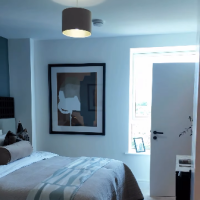
Most Shared Ownership homes are brand new, which gives you a clean slate to put your own personal mark on. Unlike many rented homes, you can personalise and decorate as you please, from the paint colours to the furniture and shelving. A Square Roots apartment also comes with modern fixtures and appliances as a standard.
Is Shared Ownership more secure than renting?
A private tenancy can end if a landlord decides to sell the property or move back in, and rents can change from one year to the next. With Shared Ownership you own a share of the home on a long lease, so you can stay for as long as you choose within the terms of that lease, and increases to the rent on the part you don’t own follow the formula set out in your lease rather than a landlord’s discretion.
Why might renting suit you better?
What if I'm not ready to put down a deposit?
Many home buyers decide to rent a home before they take on the responsibility of home ownership. Think of renting as a trial run of what living in your own home is like, without the obligation to commit to a long lease and put down a deposit towards a mortgage. Because renting usually involves shorter tenancies, you can also move more easily if you decide your property or area isn’t for you.
You're not ready for the added costs of home ownership
Owning your own home is a big financial responsibility. Not only do you need to budget for furnishing your new home, you also need to take responsibility for paying for any fixes or repairs. As a tenant, you can pass these housekeeping tasks on to your landlord (just make sure you get a reliable one!).
Which is right for you?
Shared Ownership is likely to suit you if you want to build equity, expect to stay in one place for a few years, and are comfortable taking on responsibility for the upkeep of your home. Renting is likely to suit you if you value the freedom to move at short notice, want to keep upfront costs low, or aren’t yet sure where you want to settle. Neither option is right for everyone, and the decision often comes down to how long you expect to stay and how much responsibility you want to take on.
Ready to start your homebuying journey?
At Square Roots, you can enjoy the best of both worlds, whether you want to buy a Shared Ownership home, or rent an affordable home at 80% of the market rate.
Explore our latest new build developments in London to find the option that fits your plans.
< Back to News & Events